Invasive Worms in Ecosystems
When Worms Go Wrong In most of this series we have celebrated worms as allies in the garden. They recycle nutrients, build soil structure, and help...
In most of this series we have celebrated worms as allies in the garden. They recycle nutrients, build soil structure, and help plants thrive. But not all worms are beneficial in every ecosystem. In some cases, introduced or invasive species can disrupt soil systems that evolved without them.
For gardeners and land stewards—especially in regions like the southeastern United States and Tennessee—it is important to understand that some worms can create serious ecological problems.
Two of the most concerning examples are jumping worms (Amynthas species) and hammerhead flatworms.
Jumping Worms – A Rapid Soil Disruptor
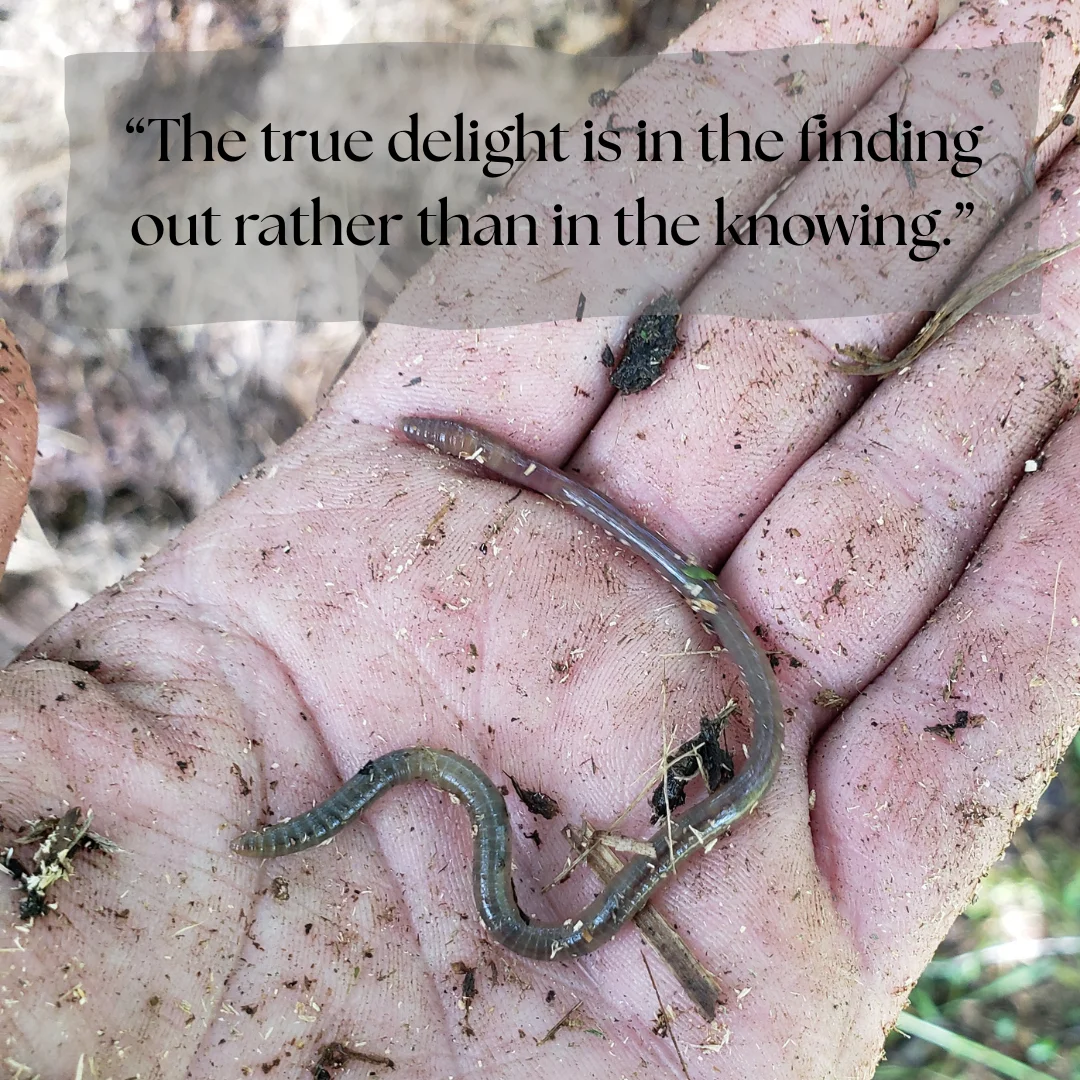
Jumping worms, sometimes called Asian jumping worms or crazy worms, belong to the genus Amynthas. These worms have spread through parts of North America in recent decades and are increasingly being reported in gardens, landscapes, and forests.
Unlike many familiar earthworms, jumping worms move rapidly and thrash violently when disturbed. Their movement is often...
Level 2 Content
This post continues with Level 2 content.
The rest of this piece is available to subscribers. It continues the series with deeper application, practical frameworks, and seasonal context.
Level 2 posts include longer research, field-tested guidance on KNF and regenerative methods, and systems thinking that connects food, land, energy, and local economies.
Premium content