Seeds Before Science: How Observation Built Agriculture
Seeds Before Science: How Observation Built Agriculture Before I ever read a word about plant biology, I learned something true at a dinner table....
Listen to this post
Before I ever read a word about plant biology, I learned something true at a dinner table.
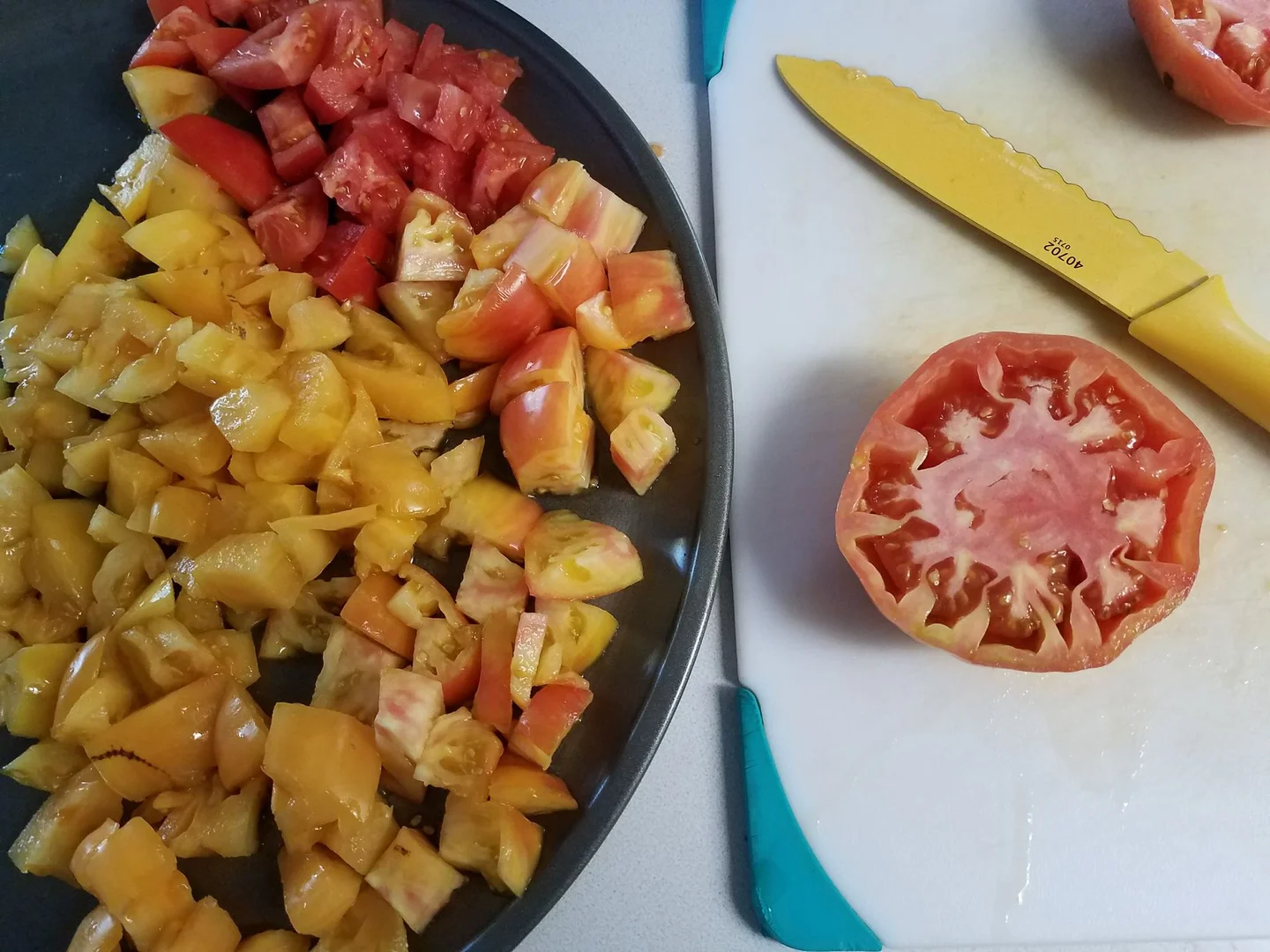
Every summer, during harvest, a plate of sliced tomatoes appeared at dinner. Just that. Fresh, ripe, still warm from the sun. No one talked about lycopene or soil pH or heirloom genetics. They just sliced them and set them down. And everyone ate.
What I understand now, after years of growing my own, is that what was being passed around that table was the end result of an unbroken relationship — between a family, a piece of land, and a seed that had been selected, saved, and carried forward for generations by people who knew exactly what they were doing, without having a word for what they knew.
That's what seed saving means to me. Sovereignty. Nutrient density. Stewardship. Love — for the people who will eat it, for the land that produces it. And above all: memory.
The Women Who Knew
I've been told about women who would spit into the corn when they were working. Not carelessness, but with intention. A way of connecting themselves to the food. The belief that the plant would know them. Know their bodies, their needs. And produce food that was right for them.
You might read that and think: superstition. I think it's knowledge we're only beginning to understand.
Those women didn't have a peer-reviewed study to cite. They had ten thousand years of paying attention.
That's what came before science. Not ignorance. Observation.
Agriculture Started with Noticing
Before there were labs or journals or names for the things happening underground — people watched.
They noticed which plants came back strongest after a hard winter. Which seed held longest. Which tomato tasted the way the good ones always tasted. They saved those seeds. Planted them. Watched what happened. Saved again.
This is selective breeding. This is plant genetics. This is agricultural science. It just didn't have those names yet.
The first seed savers weren't farmers in the modern sense. They were observers. People who noticed that certain plants grew better near certain others, that seeds from the strongest plants produced the strongest offspring, that diversity in the garden meant survival when one variety failed. That diversity wasn't accidental — it was chosen, carefully, over generations, by people who understood something fundamental:
The seed is memory. Every seed carries the record of everything the plant survived. Cold snaps. Drought. Poor soil. Pest pressure. When you save seed from a plant that made it through, you carry that survival forward.
What Heirloom Actually Means
The word makes people think of antiques. Something old and fragile, preserved behind glass.
That's not what it means in a garden.
An heirloom seed is one that has been passed from person to person, generation to generation, because it kept being worth saving. Not because it was old. Because it was good. Because someone loved it enough to carry it forward.
The Cherokee Purple tomato didn't get its name from a catalog. It came from the people who grew it, saved it, and kept it alive across generations. The Mortgage Lifter was bred by one man — a radiator repairman in West Virginia — who crossed plants for six years until he had something so productive it paid off his mortgage. Then he gave the seeds away. People saved them. That's how it survived.
This is what gets lost when we stop saving seed. Not just genetic diversity — though that loss is real and measurable. We lose the relationship. The memory. The knowledge that lives not in a book but in the seed itself, and in the hands that saved it.
Why This Matters Right Now
We are three to four generations removed from families that routinely saved seed. For many people, that knowledge is simply gone. Not destroyed — just not passed down.
We also live in a moment where more seed varieties are owned by fewer companies than at any point in agricultural history. Where seeds are designed for patent protection, not for flavor, or nutritional density, or the specific climate of your county.
This isn't a conspiracy. It's an economic trajectory with consequences for food sovereignty, for nutrient density, for the resilience of the local food systems we're trying to rebuild.
The answer isn't nostalgia. It's remembering. Going back — not to be old-fashioned — but to recover something that still works.
Seeds before science wasn't primitive. It was relational. It was whole. And there is more to learn from it than most people realize.
The next post in this series takes us around the globe — the specific seed practices of indigenous peoples on different continents, each in their own relationship with their land.
Posts 1–5 free · Premium starts at #6