Storey's in the Dirt

Regenerative Farming & Food Sovereignty

The Science Behind Dark Meat

The Science Behind Dark Meat

by Teri Storey2 min read
Livestock ManagementFood as Medicine

## the Silkie’s Immune Superpowers Silkies aren’t just beautiful—they’re biologically fascinating. Their fluffy feathers and black skin are the outward signs of a condition called _fibromelanosis_, which causes pigment to appear not just in the skin, but in their organs, muscles, and bones. That pi...

Share:

the Silkie’s Immune Superpowers

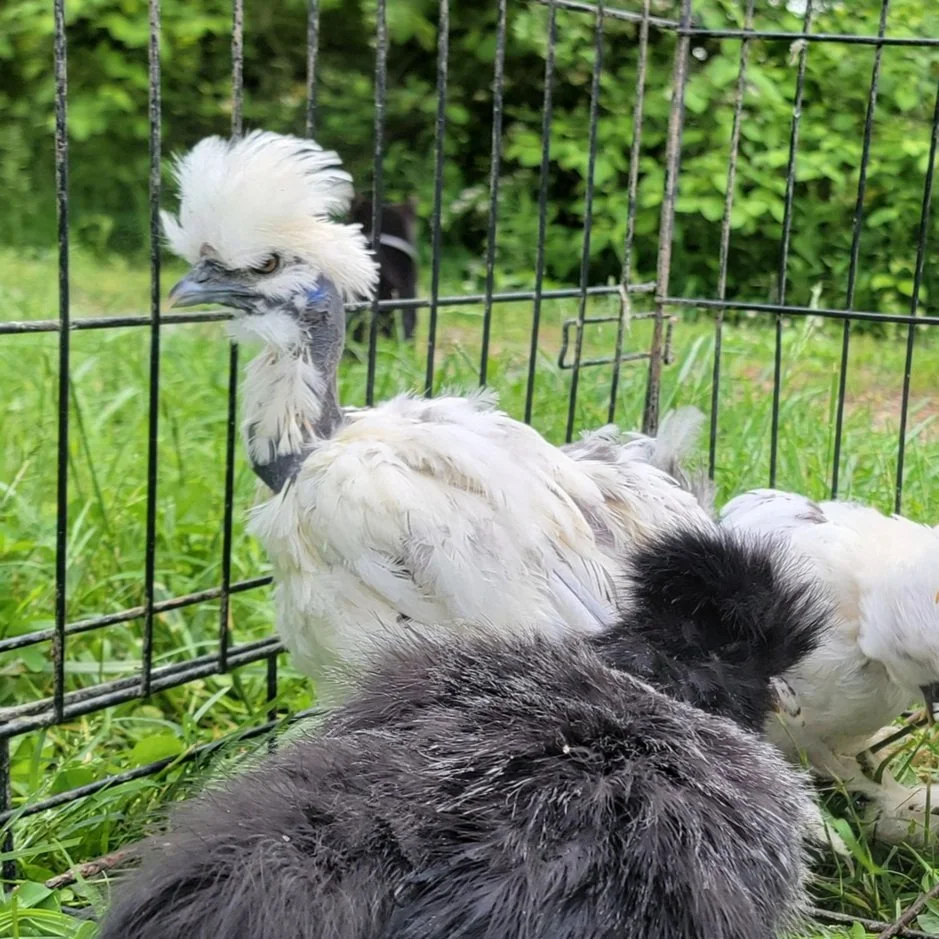
Silkies aren’t just beautiful—they’re biologically fascinating. Their fluffy feathers and black skin are the outward signs of a condition called fibromelanosis, which causes pigment to appear not just in the skin, but in their organs, muscles, and bones. That pigment is more than just decoration—it’s deeply tied to their immune system.

What Makes Their Immune System So Unique?

Most chickens develop strong immune systems in their first few weeks of life. But Silkies develop on a slightly different timeline.

Silkies under 10 weeks old are more vulnerable to illness because their immune systems are still developing. This delay is related to the effects of hyperpigmentation, which alters the way certain immune organs—like the spleen and bursa of Fabricius—form and function.

But here’s the twist: after that initial period, Silkies go on to develop some powerful immune advantages.

Pigment That Protects

Silkies produce a type of pigment called eumelanin, which also acts as an antioxidant. This pigment accumulates in areas of damage or infection and may help the body respond more effectively to threats. In this way, the pigment becomes part of the immune response.

They also have higher levels of certain white blood cells like B-lymphocytes and monocytes, which help the body recognize and respond to infections. Their internal organs retain immune functionality longer than typical chickens because of their slower aging process.

Why This Matters to You

While we’re still learning how these traits affect the nutritional benefits of eating Silkie chickens, one thing is clear: their meat and organs are shaped by a different biological story. The same compounds that give them their dark color may also help support immune resilience, reduce inflammation, and enhance recovery when consumed—especially in the form of bone broths or organ-rich meals.

Silkies represent a rare overlap of beauty, tradition, and function—and science is only beginning to catch up with what traditional cultures have known all along.

Where to Go Next

🔍Dig Deeper

Precision Supplementation for Waterfowl

## A Deep Dive for Serious Keepers\\ If you’re raising ducks, geese, or specialty breeds like Muscovies or Mandarins with long-term performance in mind, you already know that general feed isn’t enough. Strategic supplementation is key to optimal growth, fertility, disease resistance, and egg qualit...

Systems ThinkingLivestock Management
Premium
Read more →
🌱Related Content

Silkie vs. Supermarket Chicken

## A Nutrient Showdown When most people think of chicken, they picture the standard cuts wrapped in plastic at the grocery store. But not all chickens are built the same. In fact, Silkie chickens—known for their black skin, bones, and unique immune system—offer a very different nutritional profile ...

Livestock ManagementFood as Medicine
Read more →