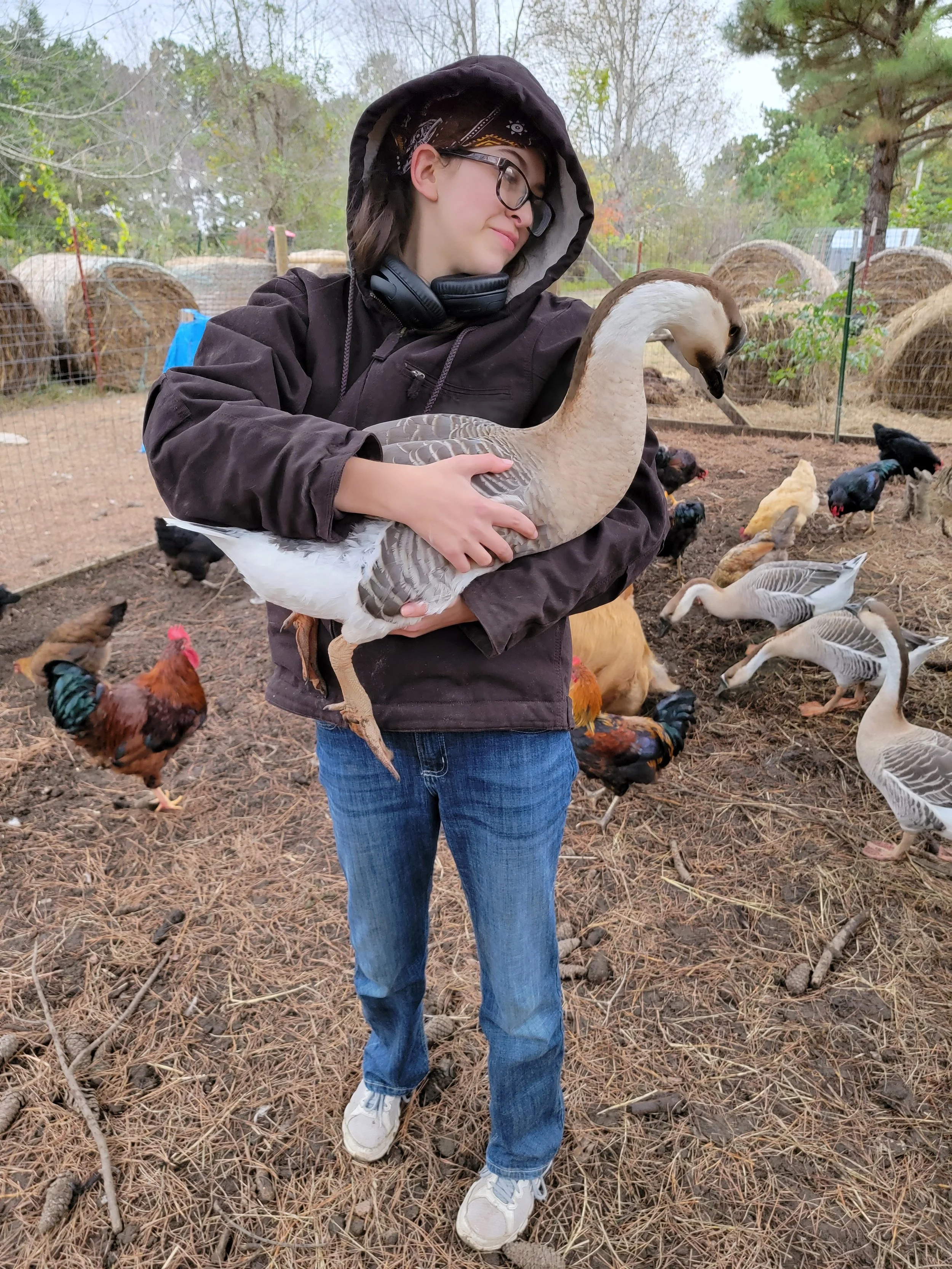
Precision Supplementation
## for Heritage, Exotic, and Breeding Waterfowl For those managing breeding flocks, heritage lines, or exotic waterfowl, supplementation is no longer optional—it is strategic. Birds under these conditions have higher nutritional demands, stress sensitivity, and performance expectations. This pro-le...
Listen to this post
for Heritage, Exotic, and Breeding Waterfowl
For those managing breeding flocks, heritage lines, or exotic waterfowl, supplementation is no longer optional—it is strategic. Birds under these conditions have higher nutritional demands, stress sensitivity, and performance expectations. This pro-level guide focuses on detailed, science-backed practices for ensuring top-tier reproductive success, immune health, and long-term vitality.
Microdosing for Performance
-
Niacin: Maintain precision dosing by flock size and life stage. Use lab-scale spoons and digital scales to dose:
-
80 mg/day for breeding-age specialty ducks (e.g., Mandarins, Wood Ducks)
-
100 mg/day during peak lay or when fertility declines
-
-
Delivery: Use water-soluble niacinamide or blend into fermented mash. Pair with weekly LAB doses to support gut uptake.
Fermentation for Bioavailability
-
LAB (Lactic Acid Bacteria): Administer 1 tsp LAB per 1 qt water weekly or mix into wet feed.
-
FPJ (Fermented Plant Juice): Rotate seasonally (spring: comfrey/dandelion; fall: kelp/nettle).
-
JMS (JADAM Microbial Solution): Used monthly for aviary or pasture sanitation and microbial balancing.
Fertility & Hatch Success
-
Vitamin E + Selenium: Boost sperm viability and egg quality. Supplement 5–10 IU/day Vitamin E per bird, and 0.3 ppm selenium.
-
Biotin, Zinc & Omega 3s: For shell strength, hatchability, and feather health.
- Use flax meal, black oil sunflower seeds, and sprouted chia.
Breeding Conditioning Protocol
Phase
Focus Supplements
Notes
Pre-Breeding
Niacin, Vit E/Selenium, LAB
Start 4 weeks prior to pair-up or egg-lay
Active Breeding
Calcium, Omega 3, Zinc
Rotate fermentations, use kelp-based minerals
Post-Lay/Recovery
B-complex, Probiotics, Biotin
Feather regrowth, nutrient rebuilding
Environmental Influence
-
Indoor Aviaries: Require year-round D3 and air-exchange microbial sprays (JMS or IMO2).
-
Rotational Paddocks: Soil supplements can influence forage quality. Add IMO4 and leaf mold tea to promote native fungal/bacterial balance.
Scaling Up Ethically
-
Maintain genetic diversity: Avoid over-supplementation that masks poor genetics.
-
Use rotational pairing systems and monitor fertility outcomes with hatch logs.
-
Document supplement batches and timing: Track results across seasons.
Tools for Advanced Keepers
-
Supplement Log Template (Downloadable)
-
Seasonal Feed Formulation Spreadsheet
-
Breeder Record Sheet with Supplement Tracker
-
Input Sourcing List with Tested Lab-Grade Vendors
Posts 1–2 free · Premium starts at #3