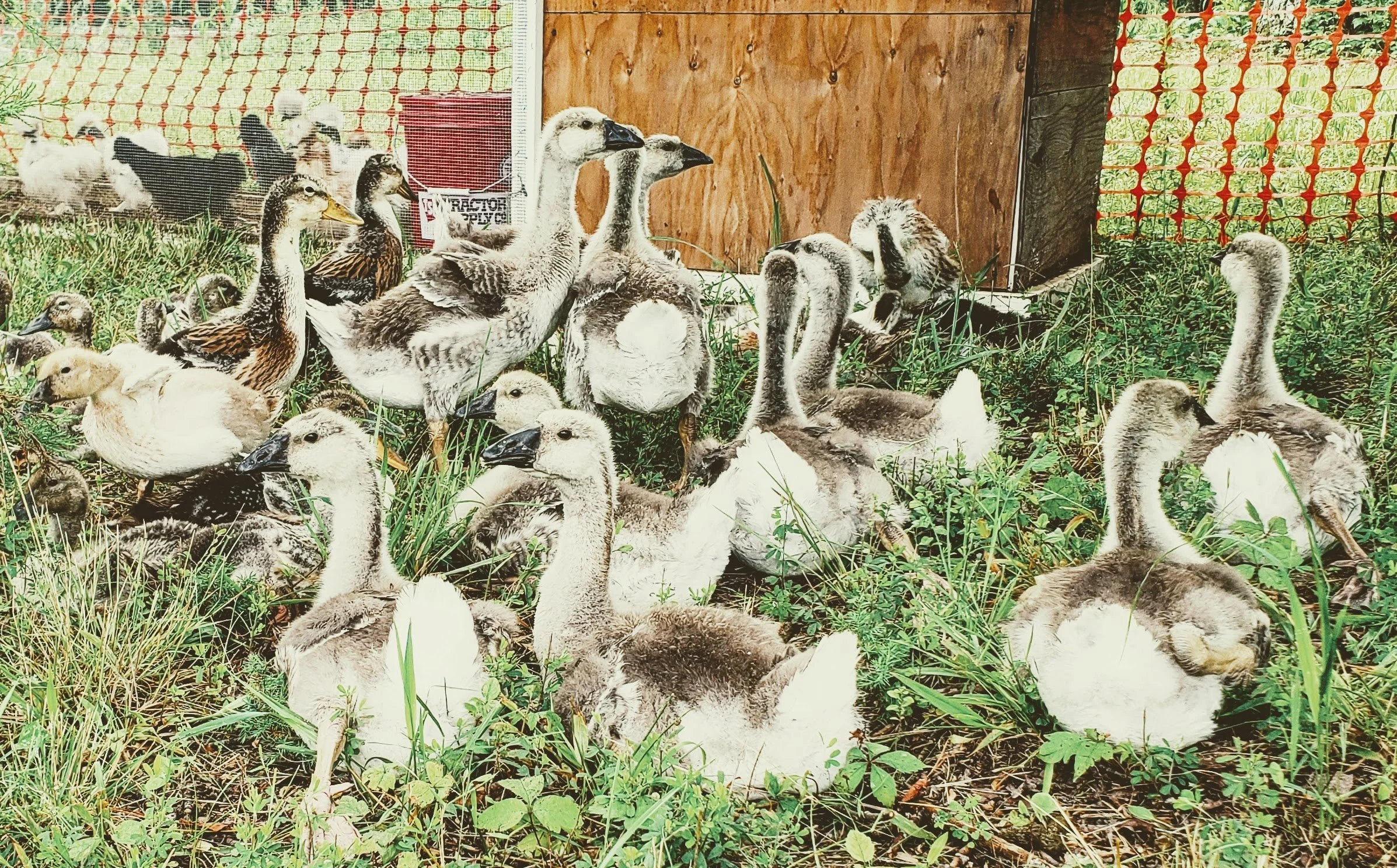
Waterfowl Nutrient Supplements
## Advanced Supplementation Science for Heritage, Exotic, and Breeding Waterfowl For advanced farmers, homesteaders, and breeders, managing waterfowl nutrition transcends general care. It becomes a detailed practice rooted in nutritional biochemistry, environmental modulation, and genetic conservat...
Listen to this post
Advanced Supplementation Science for Heritage, Exotic, and Breeding Waterfowl
For advanced farmers, homesteaders, and breeders, managing waterfowl nutrition transcends general care. It becomes a detailed practice rooted in nutritional biochemistry, environmental modulation, and genetic conservation. This guide presents an evidence-based, practice-informed approach to advanced supplementation with citations, tools, and protocols tailored for heritage, exotic, and high-performance waterfowl.
I. Nutritional Demands by Breed Class
Niacin (Vitamin B3)
-
Core Function: Niacin supports mitochondrial energy metabolism and fatty acid synthesis.
-
Special Needs: Ducks and geese cannot synthesis sufficient niacin from tryptophan, unlike chickens.
-
Clinical Range: Ducklings require 55–70 mg/kg of feed; breeders may need 80–100 mg/day.
-
Sources: Niacinamide is preferred due to palatability and stability in water.
Citation: National Research Council (NRC). Nutrient Requirements of Poultry, 9th ed. Washington, D.C.: The National Academies Press, 1994.
Selenium and Vitamin E
-
Function: Antioxidant synergy; supports fertility and embryonic development.
-
Deficiency Risks: Muscular dystrophy, poor hatch rates.
-
Dosing: Selenium 0.3 ppm and Vitamin E 10–25 IU/day.
Citation: Surai, P.F. (2006). Selenium in Nutrition and Health. Nottingham University Press.
Zinc, Manganese, and Biotin
-
Function: Eggshell formation, enzyme function, feather integrity.
-
Note: Use chelated forms for higher bioavailability.
Citation: Leeson, S., Summers, J.D. (2008). Commercial Poultry Nutrition. 3rd Ed.
II. Fermentation and Bioactive Nutrient Conversion
LAB (Lactic Acid Bacteria)
-
Mechanism: Enhances mineral bioavailability and suppresses pathogenic bacteria.
-
Application: 1–2 tsp LAB serum per quart of water weekly; adjust for flock size.
FPJ (Fermented Plant Juice)
-
Application: Foliar spray and feed mix-in.
-
Recommended Rotations:
-
Spring: Dandelion, comfrey, chickweed
-
Summer: Purslane, sweet potato leaves
-
Fall: Nettles, kelp, mugwort
-
Citation: Cho, Han-Kyu. JADAM Organic Farming, 2016.
JMS (JADAM Microbial Solution)
-
Use: Sanitation, pasture spray, and bedding inoculation.
-
Mechanism: Introduces competitive microorganisms to regulate pathogens and odors.
III. Conditioning Breeding Stock
Phase
Supplements & Practices
Notes
Pre-Breeding
Niacin, Vitamin E/Selenium, FPJ, LAB
Begin 4–6 weeks before pair-up or fertility window
Breeding Peak
Zinc, Manganese, Omega-3 (flax, chia), probiotics
Ensure mineral balance, feather quality, sperm motility
Post-Lay Recovery
Biotin, B-complex, spirulina, fermented grains
Feather regrowth, metabolic recovery
Hatchability Tip:
-
Rotate microgreens and ferment-based feeds for hens to boost yolk micronutrient density.
-
Use non-GMO sunflower meal and spirulina to raise yolk beta-carotene and DHA.
Citation: Gita, S. et al. (2014). Effect of dietary spirulina on egg yolk quality in ducks. Journal of Applied Poultry Research, 23(1), 94–102.
IV. Infrastructure and Ecosystem Inputs
-
Indoor Aviaries: Require supplemental D3 (1,000–2,000 IU/kg feed) due to lack of UVB.
-
Pasture Systems: Supplement IMO4 and FPJ to increase forage mineralization.
-
Soil-Affecting Supplements: Use foliar sprays of sea minerals and bio-ferments to close the loop between soil and bird nutrition.
V. Advanced Tracking and Data Systems
-
Daily Logs: Monitor feed intake, supplement timing, reproductive activity, and excreta.
-
Batch Logs: Track fermentation inputs and outcomes (pH, temperature, inoculation date).
-
Seasonal Feed Formulations: Adjust macronutrient levels based on temperature, day length, and reproductive status.
VI. Sourcing and Lab Validation
-
Niacinamide: Test for purity (>99%) and solubility; source from vendors offering certificates of analysis.
-
Kelp Meal: Ensure iodine levels are specified (~0.4% typical); test for heavy metals.
-
Calcium and Mineral Mixes: Use poultry-specific ratios; avoid dolomitic lime.
VII. Summary
Advanced supplementation for waterfowl bridges nutritional science, regenerative agriculture, and breed stewardship. It requires continuous adaptation, observation, and data-backed decision-making. Precision, sourcing integrity, and fermentation are your allies in building resilient, productive flocks.
Posts 1–2 free · Premium starts at #3