Garden's Hidden Treasure
Garden Week Twenty-Four 10/2/2018 ### Garden’s Hidden Treasure So, all these years, I have been referring to Tulips, Daffodils, Crocus, Ginger, Horseradish, Garlic and many other plants as bulbs and tubers. Turns out, there is more to the story. Some bulbs are actually Corms. Some Tubers are actu...
Listen to this post
Garden Week Twenty-Four 10/2/2018
Garden’s Hidden Treasure
So, all these years, I have been referring to Tulips, Daffodils, Crocus, Ginger, Horseradish, Garlic and many other plants as bulbs and tubers. Turns out, there is more to the story.
Some bulbs are actually Corms. Some Tubers are actually Rhizomes. Now we have Bulbs, Corms, Tubers and Rhizomes, and they all fall under the general classification of Geophyte.
The term, Geophyte, appears to have derived from the Greek words for earth and plant and was christened in 1904 by Christen C. Raunbiaer, a Danish botanist. Geophyte is defined as a plants storage organ specifically modified for the storage of energy and water. This fall we are looking at underground storage organs, which will come to life in the spring and early summer.
Let’s take a look at these various hidden treasures!
BULBS: A modified stem in its resting stage, which usually consists of an underground bud with overlapping fleshy leaves arising from the resting stem. Bulbs can vary from pea sized to 15 lbs. and will have either a thin papery covering, like an onion, or a scaly bulb, which has no protective layer, causing a scale-like appearance.
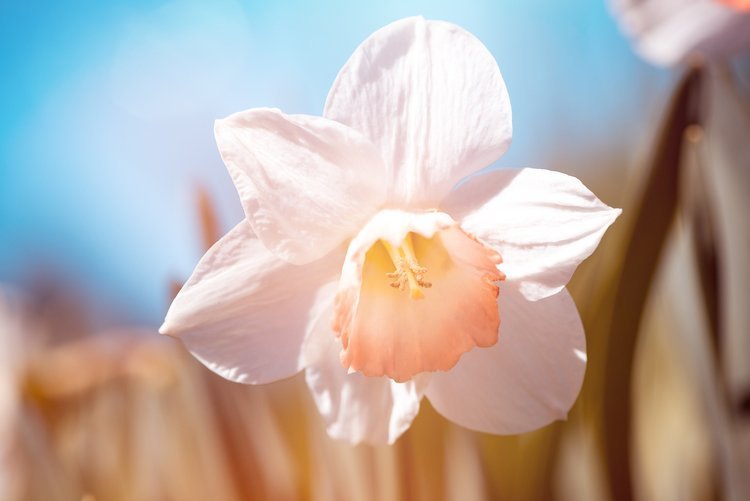
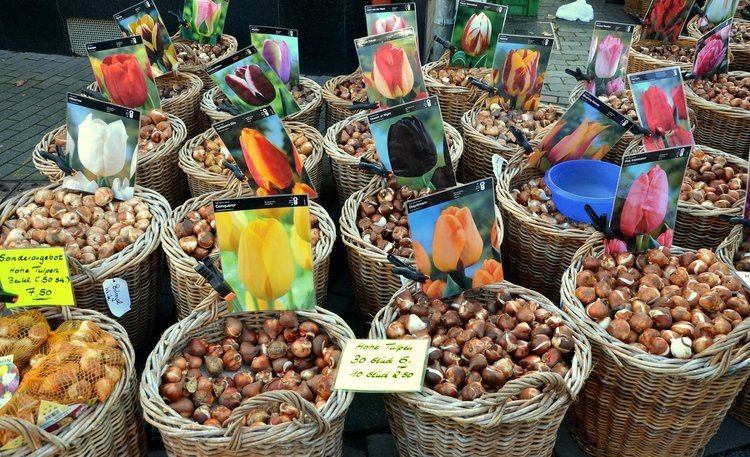
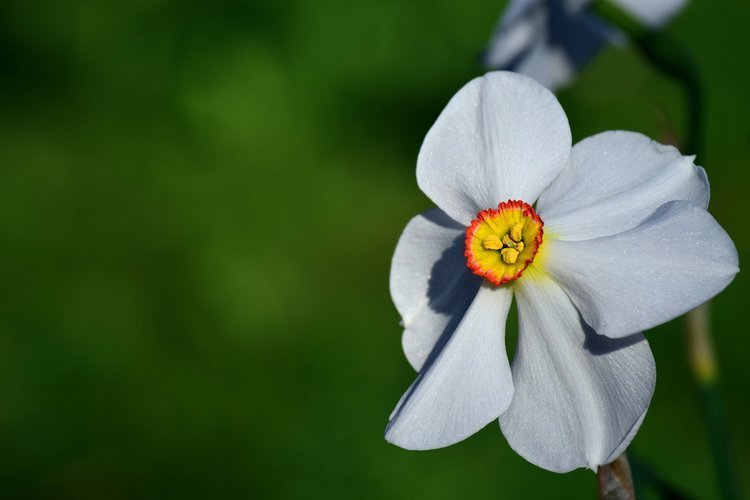
Plants: Tunicate bulbs (papery covering) include: Daffodil, narcissus, tulips, amaryllis, and hyacinth.
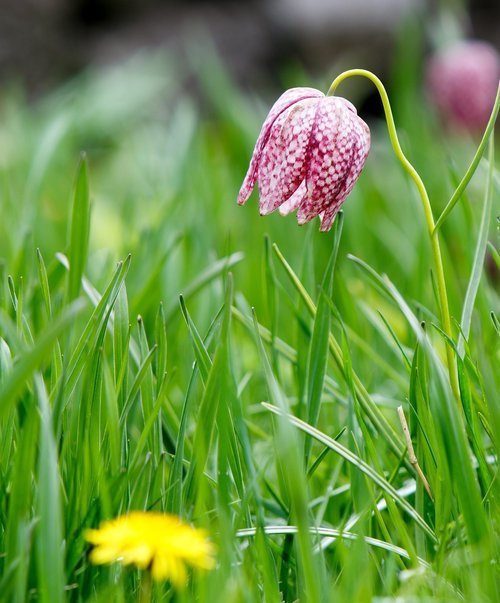
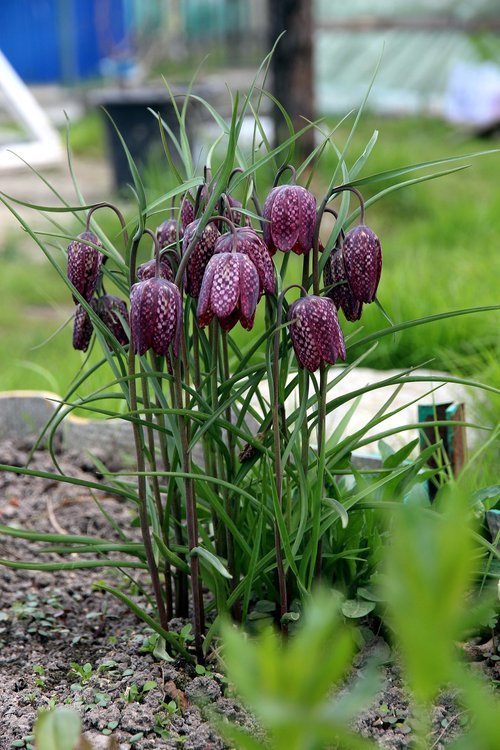
Non-tunicate bulbs include: Lilies, snake’s head fritillary, chess flower, guinea-hen flower, frog-cup, drooping tulip, and many more.
Vegetables: Tunicate bulbs (papery covering) include: The Allium family of onion, garlic, scallion, shallots, leek and chives.
CORMS: Unlike a bulb, when a corm is cut in half, there are no rings or striations and they are covered in a fibrous tunic. Also, unlike a bulb, corms can reach sizes in excess of 150-200 lbs.
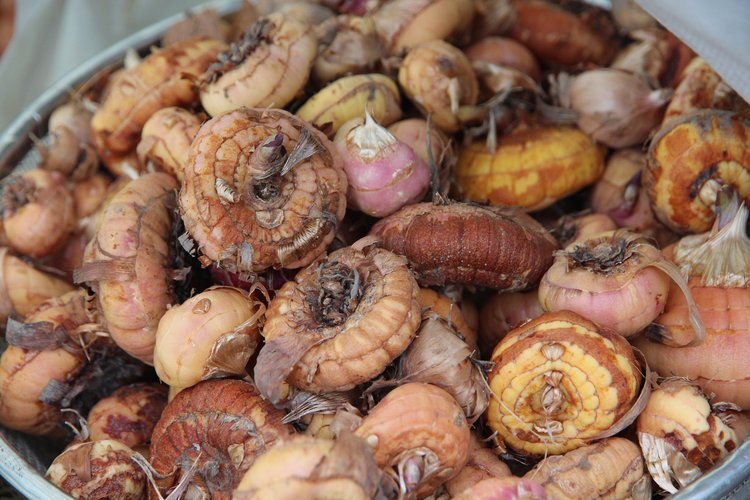
Plants: Crocus, gladiolus, and elephant ears.
Vegetables: Chinese water chestnut.
TUBERS: Usually short and thick storage stems comprised of starch-storing tissue with a leathery skin and eyes or growth nodes.
Plants: Dahlia, caladium cyclamen, peony, delphinium and daylily.
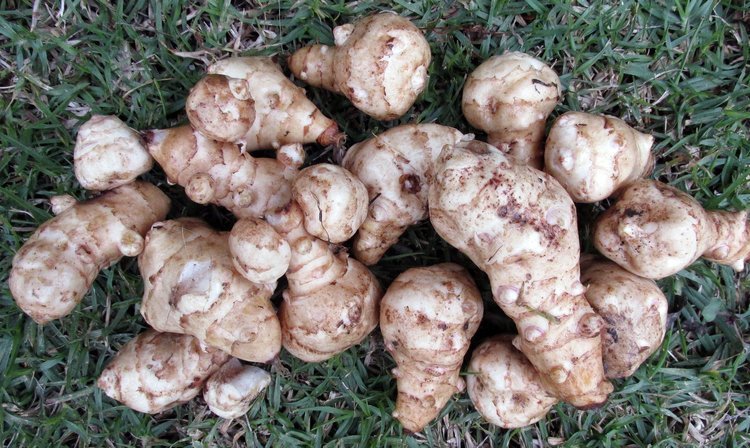
Vegetables: Potato, jerusalem artichoke, cassava, yams, and sweet potatoes.
RHIZOMES: Underground stems, which grow horizontally are capable of producing root and shoot structure of a new plant. Unlike tubers, Rhizomes store proteins as well as starches. Many invasive and aggressive plants have rhizomes allowing them to propagate asexually rather than with seed.
Plants: Bamboo, ground ivy, poplars, calla lily, canna, grass, bearded iris, lily of the valley, water lily.
Vegetables: Ginger, turmeric, asparagus, and horseradish.
What makes all of the plants similar is their ability to store energy for the winter. As we discussed this spring, the more energy saved by the bulb, and now we know corm, tuber and rhizome, the more color, flowers and fruit we will get in the spring. For all of these plants: leave the green leaves intact as long as possible. With the weather turning the leaves will start to die back. For those plants hardy to your zone, once the foliage is dead, cut it back and leave it. The plant will comeback in the spring.
For those plants, not hardy to your zone, they must be removed from the garden and stored in a dry location like the garage or basement for the winter, in sand or sawdust. Every plant has specific temperature and moisture needs, so do your research.
If your plants are declining in color or production, it may be time to thin them out. Next week, I’ll look closer at thinning each of these plant types. In the meantime, figure out what needs to come out of the garden and stored for the winter, and what needs to be thinned and stays in the garden.
Happy Gardening!
Premium content