Spring Planting Guide
## How to Start a Community Garden or Local Food Network Spring is here, and with it comes the perfect opportunity to bring people together around fresh food and shared spaces. Whether you're dreaming of a thriving community garden or a local food network that connects neighbors with farmers, start...
Listen to this post
How to Start a Community Garden or Local Food Network
Spring is here, and with it comes the perfect opportunity to bring people together around fresh food and shared spaces. Whether you're dreaming of a thriving community garden or a local food network that connects neighbors with farmers, starting small and growing together can have a big impact. Here’s how you can make it happen, step by step.
Step 1: Dream Big, Start Small
What would a community garden or food network look like in your area? Is it about creating a space for neighbors to grow food, teaching kids where their meals come from, or ensuring that fresh produce is accessible to everyone? Start by chatting with friends, neighbors, and local organizations—see who’s interested and what ideas spark excitement. The best projects grow from shared enthusiasm.
Step 2: Find a Space That Works
It doesn’t take a massive plot of land to get started. An unused lot, a schoolyard, a patch of church property, or even a series of backyard gardens can all work. If you have your eye on a space, check on ownership and zoning rules. Some cities have land-use programs that support community gardens, and local landowners might be open to partnerships.
Step 3: Make a Plan, Keep It Simple Sally
Once you have a space, sketch out a rough plan. Raised beds or in-ground rows? Communal plots or individual spaces? Pollinator plants or composting? No need to overcomplicate it—just think about what’s manageable and enjoyable for your group. Reach out to local farm stores or extension services for potential donations or discounts on seeds, soil, and tools.
Step 4: Gather Support (and Maybe Some Funds)
Community gardens and local food networks don’t need big budgets, but a little funding can go a long way. Crowdfunding, small grants, or even a simple membership model can help cover costs. Some local businesses or restaurants might be interested in sponsoring or trading for fresh produce. If you're thinking bigger, cooperative purchasing agreements with farmers could help connect more people with fresh food.
Step 5: Set Up Roles and Keep It Fun
A little structure helps keep things running smoothly. Who's handling watering schedules? Who’s in charge of outreach or organizing events? Keep guidelines simple and flexible—this should be a joy, not a chore. Whether you decide on an informal group, a co-op, or a nonprofit, the key is making sure everyone feels involved and valued.
Step 6: Get Your Hands in the Dirt
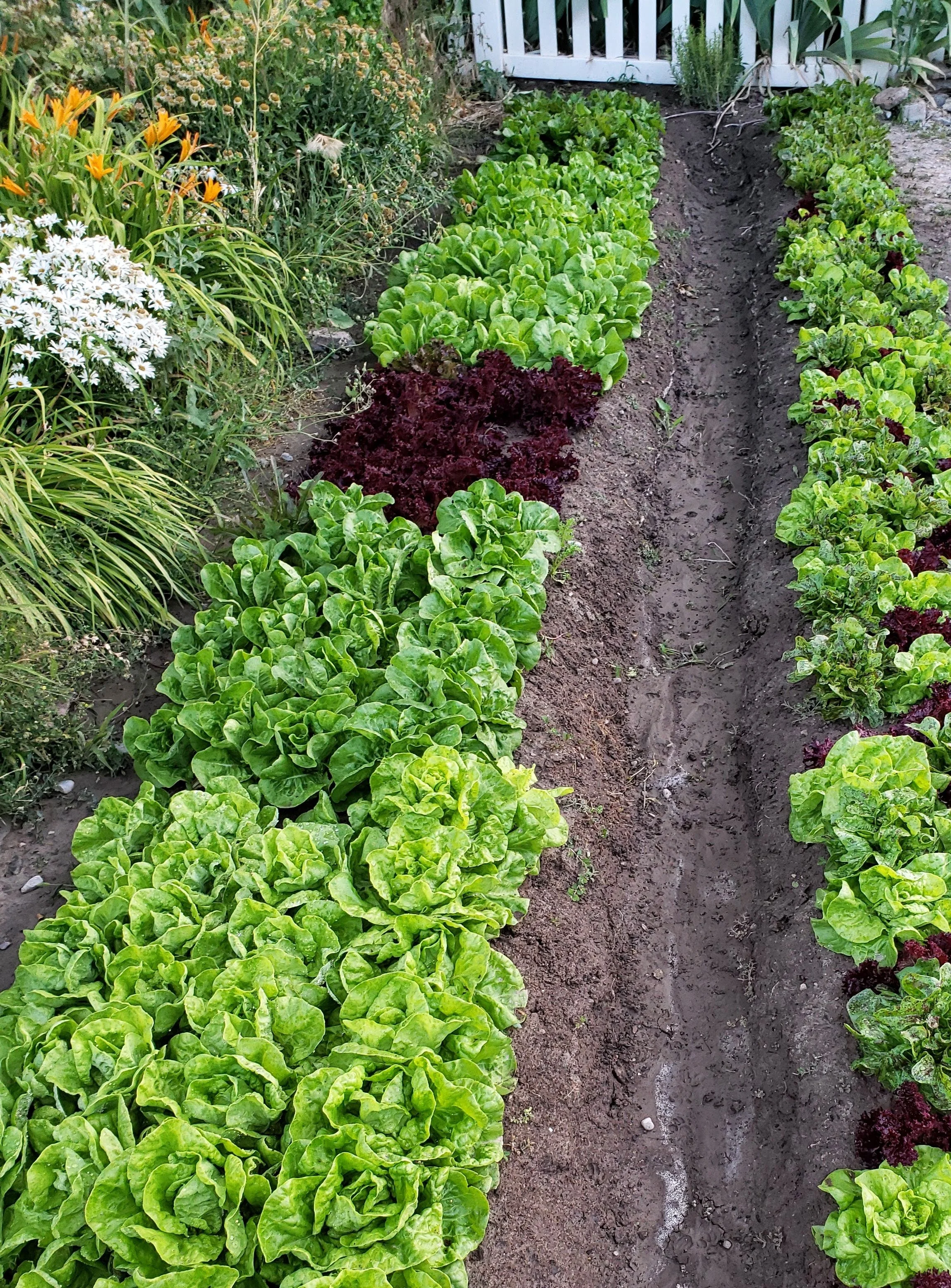
Time to plant! Gather volunteers for a workday to set up beds, turn the soil, and start growing. Early spring is great for crops like lettuce, peas, radishes, and kale. If you're in a warmer climate, you might be ready for tomatoes, peppers, and squash. The best part? Seeing everything come to life.
Step 7: Keep the Momentum Going
A successful community garden or food network thrives on participation. Plan casual meetups, workdays, and workshops—composting, preserving, or cooking classes can all bring people together. If you're building a food network, keep expanding connections between growers and eaters. Small steps lead to lasting change.
Step 8: Celebrate the Harvest
Food has a way of bringing people together. Host a harvest dinner, a plant swap, or a seasonal market to share the bounty. Whether it’s a simple picnic or a neighborhood-wide feast, this is the time to enjoy the results of your hard work and keep the community spirit alive.
At its heart, starting a community garden or food network is about more than just growing food—it’s about growing relationships, resilience, and a deeper connection to what we eat. So why not start this spring? Let’s dig in and see what we can build together.
Have you started a community garden? Share your experiences in the comments!
Posts 1–6 free · Premium starts at #7