Myths and Misnomers in Beekeeping
## A introduction to Beekeeping Beekeeping tends to attract advice—from books, forums, neighbors, mentors, and especially the old-timers who swear by what they "always" do. Sometimes that advice is grounded in decades of real experience. Sometimes it’s a holdover from another climate, another time,...
Listen to this post
A introduction to Beekeeping
Beekeeping tends to attract advice—from books, forums, neighbors, mentors, and especially the old-timers who swear by what they "always" do. Sometimes that advice is grounded in decades of real experience. Sometimes it’s a holdover from another climate, another time, or another style of beekeeping entirely.
If you keep bees long enough, you’ll start to notice something: Nature doesn’t always fit into rules.
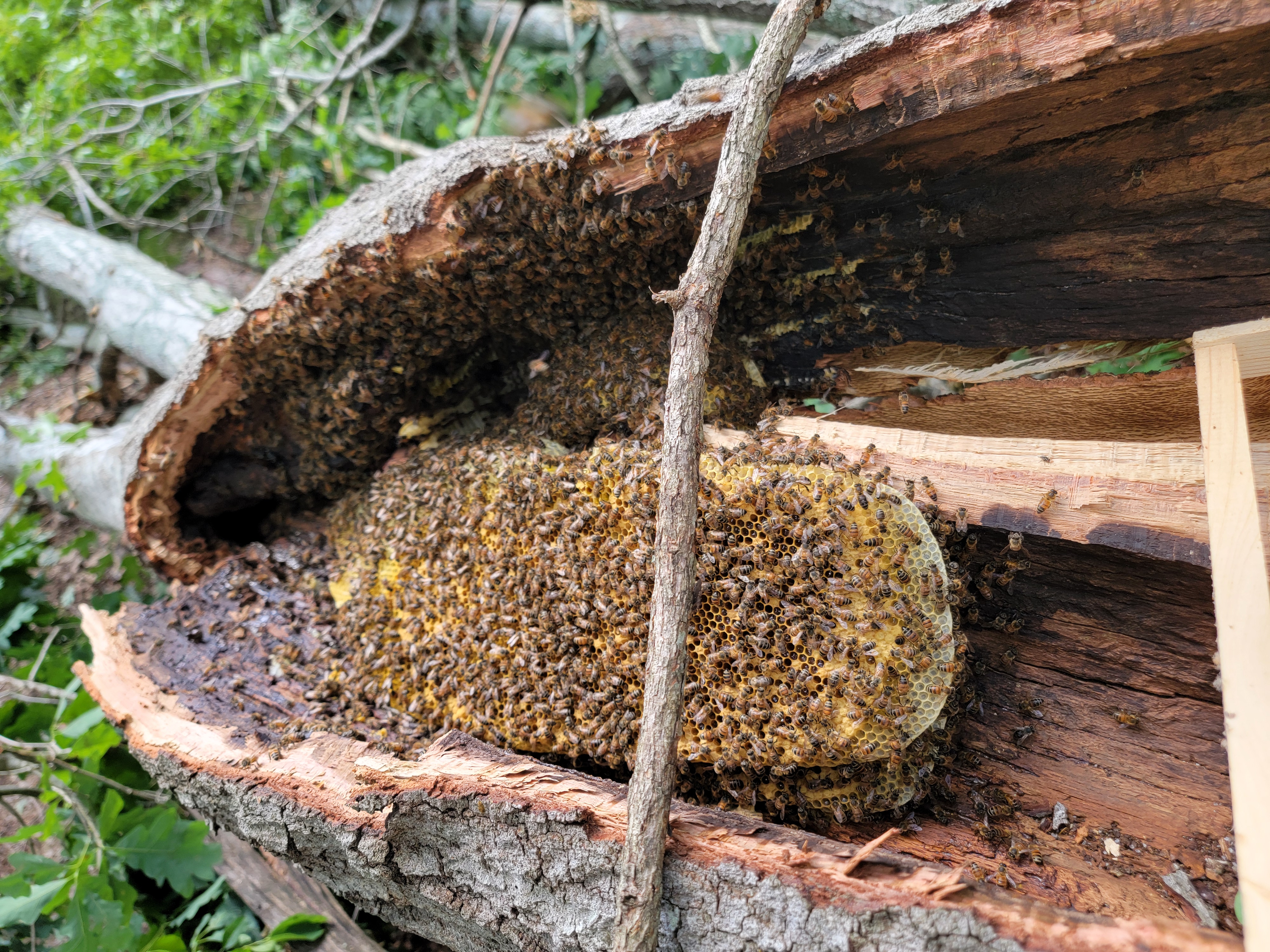
You may hear that a tidy hive is a healthy hive, or that you must requeen every year, or that one specific paint color will keep pests away. But if you watch closely—really watch, season after season—you'll see that bees live in complexity. They thrive in systems that are resilient, not rigid. Sometimes those systems include wild comb, odd intruders, or signs that might seem alarming at first glance.
This series, Myths & Misnomers in Beekeeping, is for anyone who:
-
Wants to understand the why behind common advice,
-
Practices or is curious about natural or low-intervention beekeeping,
-
And is ready to trade rigid rules for observation, reflection, and relationship with the hive.
We’ll cover old sayings, misunderstood practices, and the quiet indicators that a hive is out of balance—and what to do about it. We'll also highlight when a so-called "problem" is just part of the ecosystem doing what it does.
Because in a living world, not everything tidy is healthy, and not everything messy is wrong. Sometimes, understanding what to ignore is just as important as knowing when to step in.
Let’s explore the myths. Let’s read the hive. Let’s listen to the bees.