Myths and Misnomers: Apiculture Myth #6
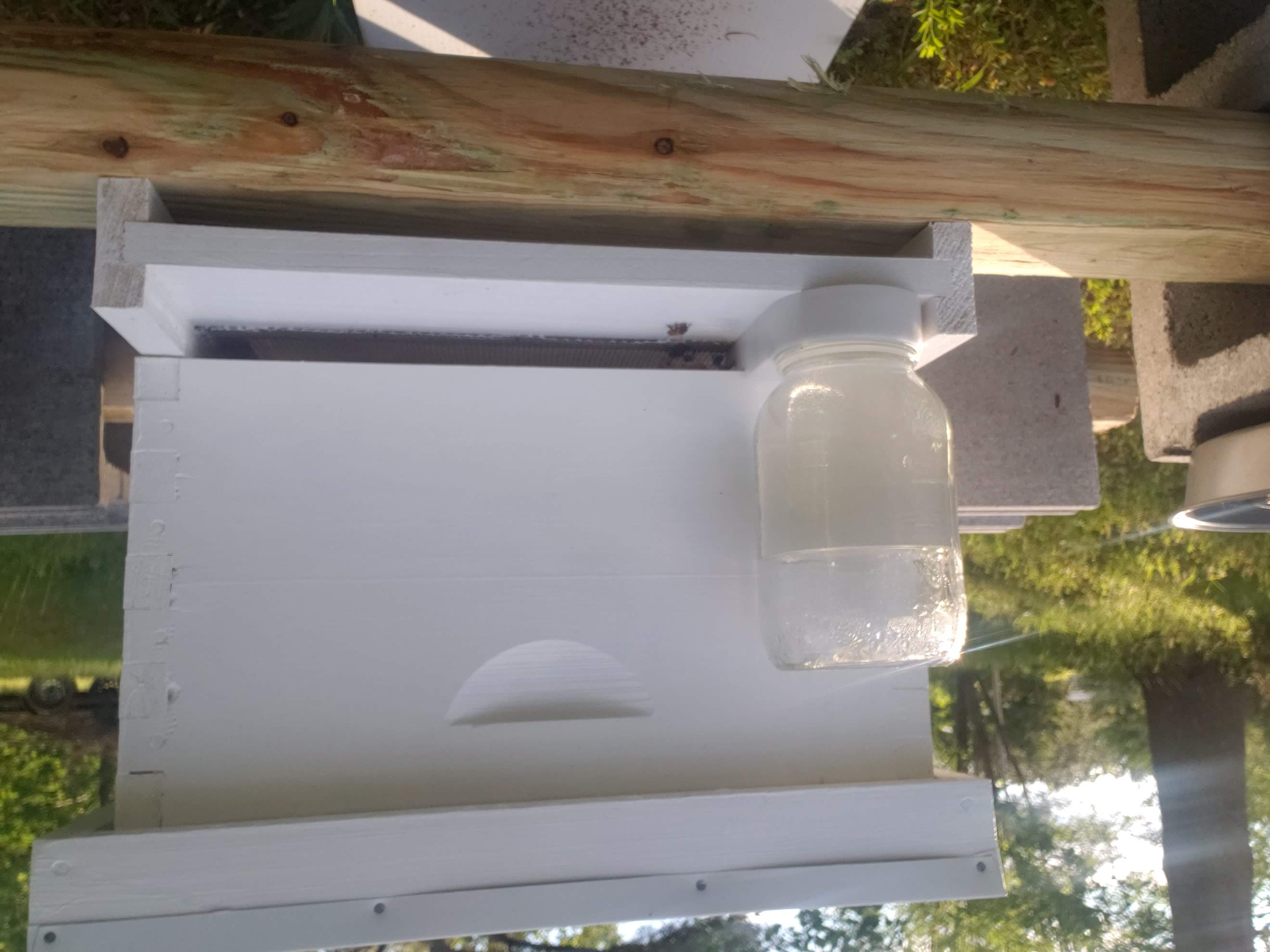
## Fall & winter Bees: You can feed or supplement with sugar water instead **Truth:** _Honey is bee medicine. Sugar is just calories._ A common practice in conventional beekeeping is to harvest all or most of the honey from a hive in the fall, then feed the bees sugar syrup or fondant to get them ...
Listen to this post
Fall & winter Bees: You can feed or supplement with sugar water instead
Truth: Honey is bee medicine. Sugar is just calories.
A common practice in conventional beekeeping is to harvest all or most of the honey from a hive in the fall, then feed the bees sugar syrup or fondant to get them through the winter. This method prioritizes honey yield—but at a cost to the bees’ health.
The Logic Behind the Practice
The thinking goes: sugar is cheap, easy to mix, and provides enough calories for bees to survive winter. By taking the honey and replacing it with syrup, the beekeeper gets more product while still maintaining the colony.
And yes, bees can survive on sugar water. But it’s not the same as thriving.
Why Honey Matters
Honey isn’t just sweet. It’s packed with trace minerals, enzymes, antioxidants, and antimicrobial compounds that bees rely on to:
-
Support immune function
-
Fight off pathogens
-
Maintain gut health
-
Provide balanced nutrition
Sugar syrup is just sucrose and water. It has no immune-supporting properties, and long-term use can increase susceptibility to disease and stress.
The Natural Beekeeper’s Take
Let your bees keep enough of their own honey to overwinter safely. How much depends on your region, climate, and colony size—but a general guideline is 60–90 pounds per hive.
Supplement with sugar only when necessary:
-
Emergency feeding in spring
-
Rescue feeding after drought or colony loss
-
Bridging unusually long winters
And when you do feed, consider alternatives like honey-based syrup, herbal infusions, or fermented bee tea that more closely mimic what bees would naturally encounter.
Final Thought
Stealing honey and replacing it with sugar may keep your bees alive. But keeping them alive isn’t the same as keeping them healthy.
In a thriving system, bees feed themselves. Our role is to steward the balance—not extract until we need to patch it back together.
Let them eat honey.