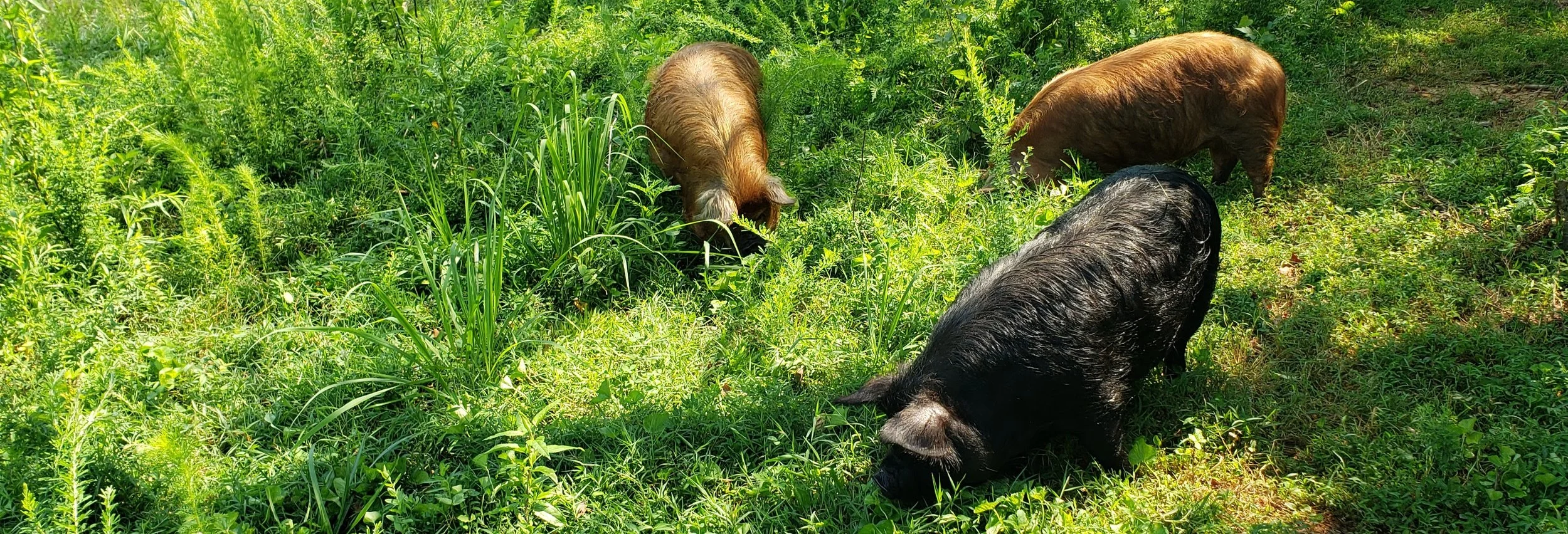
KuneKune Pigs: A Beginner Homesteader Guide
## A Beginner Homesteader’s Guide KuneKune pigs are an excellent choice for beginner homesteaders due to their friendly temperament, small size, and ability to thrive on pasture. This guide covers essential aspects of raising KuneKune pigs, from breed selection to sustainable management. * * * ##...
Listen to this post
A Beginner Homesteader’s Guide
KuneKune pigs are an excellent choice for beginner homesteaders due to their friendly temperament, small size, and ability to thrive on pasture. This guide covers essential aspects of raising KuneKune pigs, from breed selection to sustainable management.
Choosing the Right KuneKune for Your Homestead
When selecting KuneKune pigs, consider your goals:
- Meat production: Choose pigs from lines known for good growth rates and marbling.
- Pet or companion animals: Opt for well-socialized piglets with calm temperaments.
- Breeding stock: Purchase from reputable breeders who maintain genetic diversity and quality health records.
Basic Nutrition: Feeding KuneKune Pigs
KuneKunes are natural grazers and do well on pasture, but they require additional nutrition for optimal health.
- Pasture: A mix of grasses, clover, and other forage.
- Grain or Pellets: Supplement with pig-specific feed, especially for growing piglets and lactating sows.
- Hay: Provide in winter or during pasture shortages.
- Fruits & Vegetables: Can be used as treats, but avoid toxic foods like onions and green potatoes.
- Minerals & Supplements: Ensure access to a mineral block, and supplement with lysine if necessary.
Housing & Environmental Needs
KuneKunes require simple but sturdy housing:
- Shelter: Insulated huts, barns, or mobile shelters with dry bedding (straw or wood shavings).
- Fencing: Secure fencing such as woven wire, electric fencing, or hog panels.
- Space Requirements: At least ¼ acre per pig for rotational grazing.
- Water Supply: Access to clean, fresh water at all times.
Health & Common Illnesses
Maintaining pig health is crucial for a sustainable homestead.
- Common Issues: Worms, lice, and respiratory infections.
- Basic Prevention:
- Regular deworming (natural or chemical).
- Clean housing and rotational grazing.
- Routine hoof trimming and parasite checks.
- Signs of Illness: Loss of appetite, lethargy, coughing, or skin lesions.
Breeding & Lifecycle Management
Understanding the lifecycle of KuneKunes helps homesteaders manage breeding and herd growth.
- Breeding Age: Boars can breed by 8 months, sows by 10 months.
- Gestation: Approximately 116 days (~3 months, 3 weeks, 3 days).
- Litter Size: Typically 6-8 piglets.
- Weaning: 6-8 weeks, depending on size and health.
Sustainable & Ethical Practices
KuneKunes are ideal for sustainable homesteading due to their ability to thrive on pasture and integrate into eco-friendly systems.
- Rotational Grazing: Prevents overgrazing and improves soil health.
- Composting Manure: Reduces waste and enriches garden soil.
- Humane Handling: Use positive reinforcement and low-stress handling techniques.
Legal & Business Considerations
Before selling KuneKune products (meat, breeding stock, manure), check local regulations:
- Meat Sales: Requires USDA processing in many regions.
- Breeding Stock: Ensure proper registration and health checks.
- Manure Sales: Often regulated for raw manure but can be composted and sold as fertilizer.
Next Steps
KuneKunes are a fantastic addition to any beginner homestead. If you’re ready to get started, consider taking an online course, joining a KuneKune breeders’ group, or purchasing books on small-scale pig farming.
Posts 1–3 free · Premium starts at #4