Dance Partners in the Garden
## The Art of Companion Planting Companion planting is one of the simplest and most effective ways to boost your garden’s health and productivity. Whether you’re growing vegetables, herbs, or flowers, understanding why certain plants thrive together can unlock a deeper connection with your garden. ...
Listen to this post
The Art of Companion Planting
Companion planting is one of the simplest and most effective ways to boost your garden’s health and productivity. Whether you’re growing vegetables, herbs, or flowers, understanding why certain plants thrive together can unlock a deeper connection with your garden. Rather than just following lists of companion plants, learning why these relationships work will empower you to experiment and tailor your planting strategy to your own growing conditions.
What Is Companion Planting?
Companion planting is the practice of strategically growing different plants together to enhance growth, deter pests, improve soil health, and increase yields. This method has been used for centuries in traditional agriculture, including Indigenous farming techniques like the Three Sisters method, where corn, beans, and squash support each other’s growth in a symbiotic relationship.
Why Do Some Plants Make Good Companions?
The science behind companion planting is fascinating. It often boils down to these key interactions:
- Pest Control: Some plants repel insects that might otherwise damage neighboring crops. For example, marigolds release compounds that deter nematodes, while basil helps keep aphids and mosquitoes away from tomatoes.
- Nutrient Sharing: Certain plants have different nutrient needs, reducing competition. Others, like legumes, fix nitrogen in the soil, making it available to nearby plants that require high nitrogen levels.
- Shade and Support: Tall plants can provide necessary shade for those that prefer cooler soil temperatures, while climbing plants benefit from natural trellises created by sturdy neighbors.
- Pollination and Biodiversity: Flowers that attract pollinators can increase fruit production in nearby plants, and a diverse garden creates a more resilient ecosystem.
Common Companion Planting Pairings (And Why They Work)
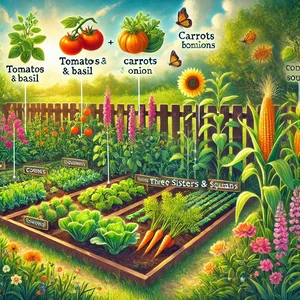
- Tomatoes & Basil: Basil repels insects that love to snack on tomatoes, such as aphids and hornworms, and may even improve tomato flavor.
- Carrots & Onions: The strong scent of onions deters carrot flies, while carrots help aerate the soil for onion bulbs.
- Corn, Beans & Squash (Three Sisters): Corn provides support for climbing beans, beans add nitrogen to the soil, and squash acts as a living mulch, shading the ground and reducing weeds.
- Lettuce & Radishes: Radishes mature quickly, loosening the soil for slower-growing lettuce, while their leafy tops provide light shade that helps lettuce stay crisp longer.
How to Start Experimenting With Companion Planting
Rather than memorizing endless lists, start by observing how different plants interact in your garden. Ask yourself:
- What pests are common in your area, and which plants naturally repel them?
- Which crops have similar or complementary soil and sunlight needs?
- Can you use vertical space to pair plants efficiently?
By understanding the why behind companion planting, you can design a garden that’s not only productive but also healthier and more sustainable.
Do you have favorite companion planting combinations? Share them in the comments below!