The Essentials of Vermiculture
Why Vermiculture? If you have spent any amount of time digging in your garden, you have probably noticed a wriggly friend or two moving through the...
Listen to this post
If you have spent any amount of time digging in your garden, you have probably noticed a wriggly friend or two moving through the soil. For many gardeners, the sight of a worm is a good sign. But have you ever stopped to wonder why?
The simple answer is that worms are one of the hardest working members of the garden ecosystem. They break down organic matter, improve soil structure, recycle nutrients, and help create the living soil that plants depend on. The practice of intentionally working with worms is called vermiculture, and it is one of the most powerful—and surprisingly simple—tools available to gardeners.
What is Vermiculture?
Vermiculture is the cultivation of worms to break down organic materials and improve soil health. While worms have been quietly doing this work for millions of years, gardeners have learned how to harness their natural abilities to turn kitchen scraps, leaves, manure, and other organic matter into one of the most valuable soil amendments available: worm castings.
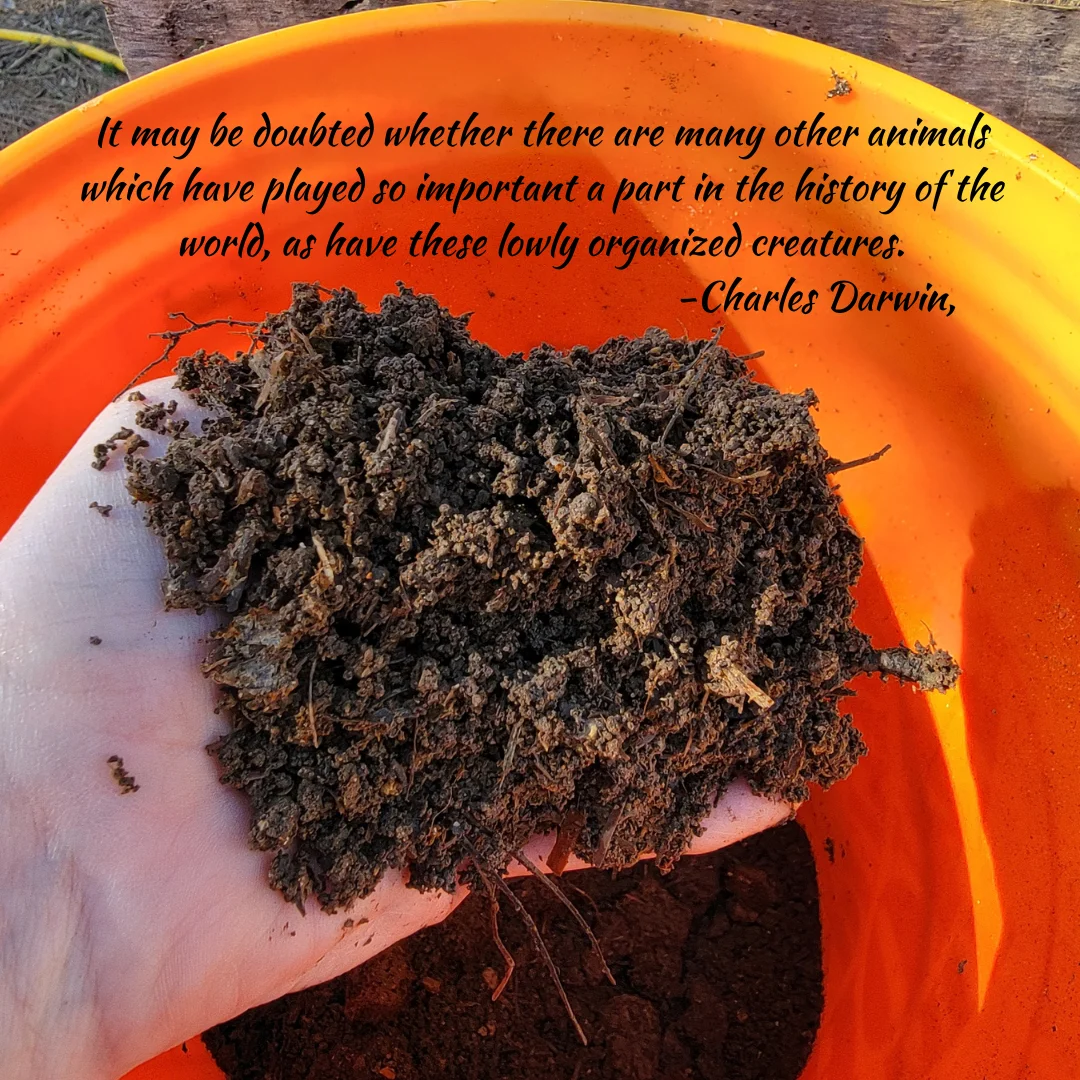
Worm castings are essentially worm manure, but they are far more than just waste. These tiny granules are packed with plant-available nutrients, beneficial microbes, and organic matter that improves soil fertility and structure. Many gardeners consider worm castings to be one of the finest natural fertilizers available.
The Hidden Workforce Beneath Our Feet
Healthy soil is not just dirt—it is a living ecosystem. Beneath the surface, an entire community of organisms are working together to build soil structure and recycle nutrients. Bacteria, fungi, insects, and worms all play a role in this underground world.
Worms are particularly important because they act as both recyclers and engineers of the soil. As they move through the ground, they create tunnels that improve aeration and allow water to move more easily through the soil. These tunnels also help plant roots reach deeper layers of nutrients and moisture.
At the same time, worms are constantly feeding on decaying plant material. Leaves, stems, food scraps, and other organic matter are pulled into the soil and broken down inside the worm's digestive system. What comes out the other end is a stable, nutrient-rich soil amendment that plants can use immediately.
Nature's Composting System
Many gardeners are familiar with compost piles, but vermiculture takes the process a step further. Certain worms specialize in consuming organic waste rapidly, transforming kitchen scraps and garden debris into nutrient-rich compost.
This process, often called vermicomposting, is incredibly efficient. Worms can consume a significant portion of their body weight in organic material each day. As they digest this material, it is transformed into castings that contain a balanced combination of nutrients and beneficial microbes.
The result is a compost that is more biologically active and often more plant-available than traditional compost.
Knowing Your Inputs: The Risk of Unknown Compost
Gardeners often rely on compost to enrich their soil, but not all compost is created equal. When you bring compost, soil, or manure onto your property from an outside source, you are placing a great deal of trust in how that material was produced. You are trusting that the person who made the compost understands proper composting techniques, used clean inputs, and maintained temperatures high enough to break down pathogens and weed seeds.
Unfortunately, that is not always the case.
Compost made from unknown sources can contain herbicide residues, pesticides, persistent chemicals, weed seeds, pathogens, or even invasive species. If that material is brought into your garden, farm, homestead, or even a small apartment garden bed, those contaminants can quickly become your problem.
For this reason, it is always wise to test soil or compost that is brought onto your property, especially when it will be used to grow food. Soil tests can help identify nutrient levels and sometimes detect potential contamination before it becomes a larger issue. Reputable compost producers will often provide laboratory test results for their compost, and the best producers make those results readily available or proactively share them with customers so buyers know exactly what they are bringing onto their property.
This is one of the reasons vermiculture is so powerful. By producing worm castings from materials you control—your own kitchen scraps, garden waste, leaves, and other clean organic matter—you greatly reduce the uncertainty that can come with outside compost sources. Instead of relying on unknown materials, you create a controlled system where you know exactly what is going in and what is coming out.
In many ways, vermiculture allows gardeners to close the loop. Rather than importing fertility from unknown places, we can recycle our own organic waste and build soil from materials we trust.
More Than Just Compost
While many people first encounter vermiculture through composting, worms contribute far more to the health of the garden than simply recycling kitchen scraps.
In garden beds, worms help:
- Aerate compacted soil
- Improve water infiltration
- Mix organic matter into the soil
- Stabilize nutrients
- Encourage beneficial microbial life
Over time, gardens that support healthy worm populations often develop richer soil structure and more resilient plants.
A Garden That Works With Nature
One of the most rewarding aspects of vermiculture is that it allows gardeners to work with natural systems rather than against them. Instead of relying solely on synthetic fertilizers or heavy soil amendments, worms help build soil gradually and sustainably.
By encouraging worms in the garden—or even cultivating them intentionally—we tap into one of nature's most effective soil-building processes.
Looking Ahead in the Vermiculture Series
As we explore vermiculture in the coming weeks, we will take a closer look at the different types of worms that live in our soils, how they contribute to the garden ecosystem, and how gardeners can work with them more effectively.
Not all worms do the same job. Some specialize in composting organic waste, while others are expert soil builders that live deeper underground. Understanding these differences can help gardeners make better decisions about composting systems, soil health, and sustainable gardening practices.
In the next article, we will explore the surprising diversity of worms beneath our feet and why not all worms should be treated the same in the garden.
Happy Gardening!
Posts 1–1 free · Premium starts at #2