Myths and Misnomers: Apiculture Myth #2
## Healthy Hives Have No Hive Beetles or Intruders **Truth:** _Complex hives host guests—and your response should depend on what they’re doing._ There’s an idea floating around that if you spot hive beetles, earwigs, or other little creatures inside your hive, something has gone terribly wrong. Bu...
Listen to this post
Healthy Hives Have No Hive Beetles or Intruders
Truth: Complex hives host guests—and your response should depend on what they’re doing.
There’s an idea floating around that if you spot hive beetles, earwigs, or other little creatures inside your hive, something has gone terribly wrong. But this isn’t always true.
A living hive is part of a wider ecosystem, and it will have visitors. What matters is how those visitors behave and where they are.
Coexistence vs. Collapse
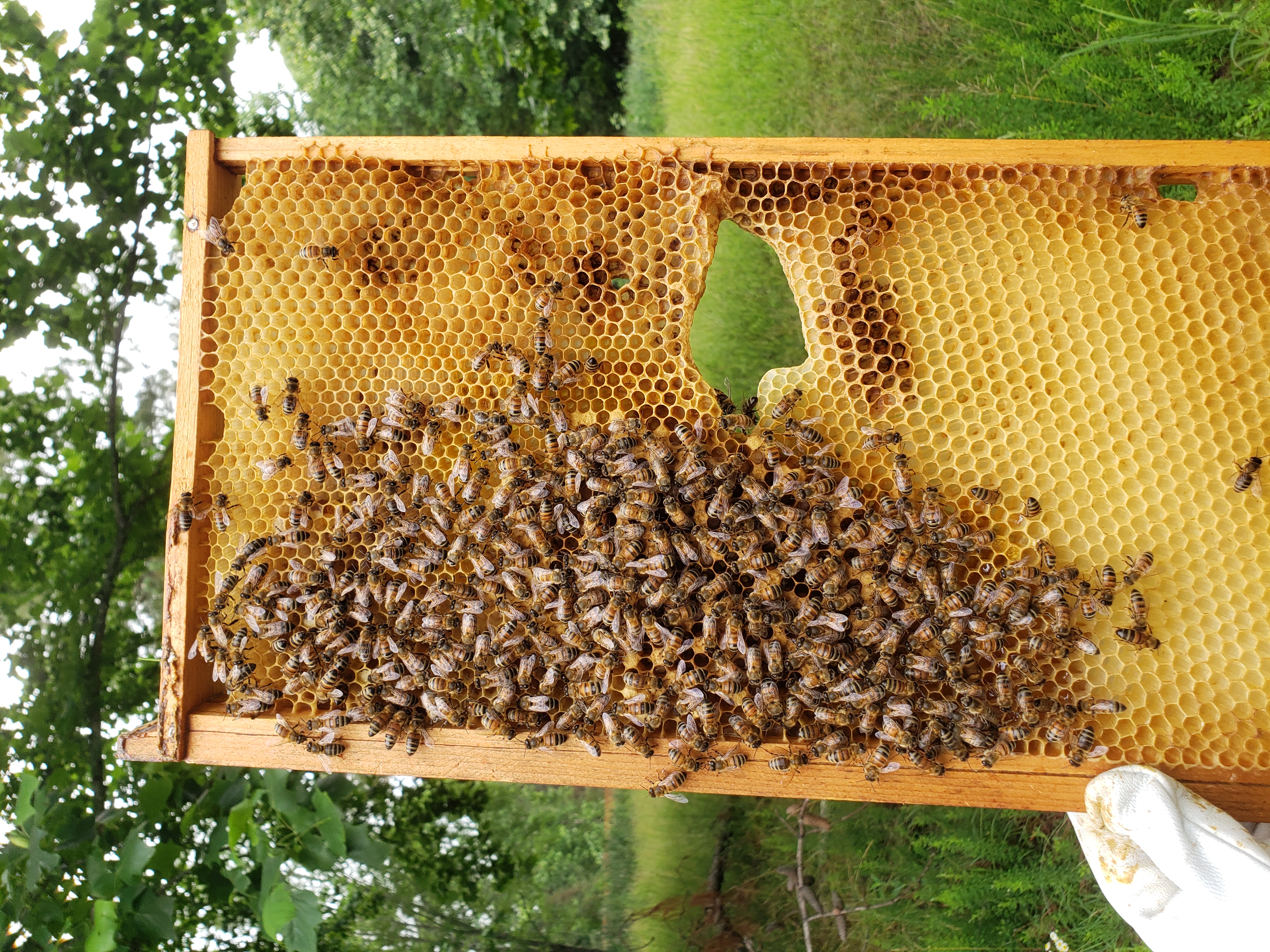
In strong, healthy hives, bees keep pests and opportunists at bay. You might find the occasional beetle tucked into a far corner of the comb, wedged into the edges of the hive, or slipping out when you lift the lid. That’s normal. The bees allow a small presence in the outskirts, especially if they’re busy and the weather's been turbulent.
But when hive beetles or other creatures start turning up in the brood nest, or clustering in large numbers near honey stores? That’s a red flag. It usually means your colony is struggling to defend itself, and those secondary invaders are moving in.
Don’t Panic, Observe
Instead of reacting to the presence of a bug or two, take a moment to assess:
-
Are the bees actively patrolling and corralling the pests?
-
Is brood uncapped or being neglected?
-
Are the pests in the corners, or crawling freely across comb?
-
Are the bees behaving erratically or unusually calm?
These signs tell you whether the problem is minor or if intervention is needed.
The Natural Beekeeper’s Take
Your hive isn’t sterile. It shouldn’t be. A complex ecosystem has moving parts, bacteria, fungi, opportunists, and defenders.
Sometimes we think we’re seeing a cause when we’re actually seeing a symptom. Hive beetles don’t cause collapse—they thrive in collapse. Learning to see that difference is part of becoming a better beekeeper.
Trust your bees. Let the system speak. And when it does, respond with curiosity before correction.